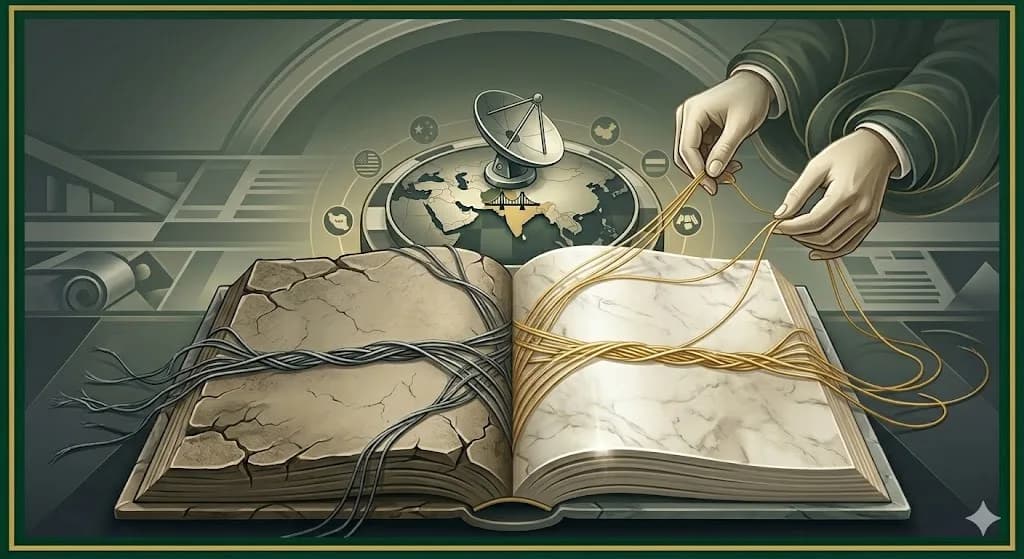
Munir & Company or State Strategy: The Formation of a New Narrative
Geopolitics / Foreign Policy

Munir & Company or State Strategy: The Formation of a New Narrative

Executive Takeaway

  • In international politics, there are sometimes turning points where reality and perception become intertwined.
  • In such moments, true success is achieved not just on the battlefield but in the narrative.
  • What is currently being said and written about Pakistan in the global scenario is not merely an incident but the formation of a narrative.

In international politics, there are sometimes turning points where reality and perception become intertwined. In such moments, true success is achieved not just on the battlefield but in the narrative. What is currently being said and written about Pakistan in the global scenario is not merely an incident but the formation of a narrative. The question is not how the "miracle" happened, but rather whether it was truly a miracle or the result of a long, silent, and continuous strategy?

In global politics, states are driven by interests, not emotions. Pakistan is no exception to this rule. After being trapped in a narrative of terrorism, instability, and internal crises for years, if Pakistan is seen today as a potential mediator, a responsible state, or a diplomatic player, this change did not happen overnight. It is deeply influenced by developments at multiple levels, regional compulsions, and the needs of global powers.

The real truth is that the current global order is in search of a new balance. The US, China, Russia, and regional powers are all trying to secure their respective spheres of influence. In this context, countries that can play the role of a "bridge"—geographically, ideologically, or strategically—suddenly become important. Pakistan's geographical position, placing it at the crossroads of South Asia, the Middle East, and Central Asia, is once again working in its favor.

It is also a fact that the tension between Iran and the Arab world, the rivalry between the US and China, and the changing dynamics of the Middle East have created a vacuum. Filling this vacuum required a country that could communicate with multiple parties simultaneously. A unique aspect of Pakistan is that it is neither completely tied to one bloc nor entirely isolated. This very "middle ground" became its greatest strength.

However, attributing this entire story to a single personality or institution is tantamount to escaping reality. State policy is always collective. It involves military leadership, diplomatic circles, the political government, and international circumstances. If some circles declare it the marvel of "Munir & Company," it is a simplistic narrative, whereas the actual picture is far more complex and layered.

The role of international media is also noteworthy here. When positive news about a country emerges, it is not mere praise but a message. This message is sometimes directed at other countries and sometimes at the country itself, indicating the direction it is heading. Recent praises for Pakistan should be viewed in this context. It is both an opportunity and a test.

India's reaction also helps in understanding this entire situation. On one hand, there is criticism and sarcasm, and on the other, acknowledgment and realism. This division actually reflects that South Asian politics is entering a new phase. Now, merely a display of power is not enough; diplomatic skill, narrative building, and global acceptance have become equally important.

Another aspect cannot be ignored here. Pakistan's internal situation—economic pressure, energy crises, sectarian sensitivities—also compels it to play a role in reducing regional tensions. Therefore, if Pakistan appears active in any mediation, it is not just for global prestige but for its own internal survival. This is where principles and interests intersect.

The real question is whether this temporary success can transform into a permanent policy. History shows that Pakistan has seized important opportunities in the past but failed to convert them into lasting advantages. The danger this time as well is that if this diplomatic success is not coupled with institutional policy, economic stability, and internal harmony, it will remain merely a momentary flash.

Another crucial point is that the real benefit of improving one's global image is realized only when it reaches the masses. If there is praise on the global stage while the public domestically suffers from inflation, unemployment, and insecurity, this contradiction cannot be sustained for long. A state's true success is one that brings improvement to the lives of its citizens.

After all this discussion, it is more appropriate to say that this is not a "miracle" but a combination of circumstances, strategy, and opportunism. Pakistan recognized an opportunity and capitalized on it. The real test now is whether it can turn this opportunity into a permanent path.

In global politics, no success is final. Those who praise today may criticize tomorrow. Therefore, instead of being swayed by temporary accolades, there is a need to adopt a long-term vision—a vision that ensures stability, progress, and harmony not only on a global level but also nationally.

Ultimately, states survive on performance, not narratives. If Pakistan succeeds in turning this moment into a new beginning, that will be its true victory. Otherwise, history is full of such "miracles" that, over time, fade into mere news items.

جغرافیائی سیاست / خارجہ پالیسی

منیر اینڈ کمپنی یا ریاستی حکمتِ عملی: ایک نئے بیانیے کی تشکیل

مرکزی نکات

  • بین الاقوامی سیاست میں کبھی کبھی ایسے موڑ آتے ہیں جہاں حقیقت اور تاثر ایک دوسرے میں گڈمڈ ہو جاتے ہیں۔
  • ایسے لمحوں میں اصل کامیابی صرف میدان میں نہیں بلکہ بیانیے میں حاصل کی جاتی ہے۔
  • حالیہ عالمی منظرنامے میں پاکستان کے حوالے سے جو کچھ کہا اور لکھا جا رہا ہے، وہ محض ایک واقعہ نہیں بلکہ ایک بیانیے کی تشکیل ہے۔

بین الاقوامی سیاست میں کبھی کبھی ایسے موڑ آتے ہیں جہاں حقیقت اور تاثر ایک دوسرے میں گڈمڈ ہو جاتے ہیں۔ ایسے لمحوں میں اصل کامیابی صرف میدان میں نہیں بلکہ بیانیے میں حاصل کی جاتی ہے۔ حالیہ عالمی منظرنامے میں پاکستان کے حوالے سے جو کچھ کہا اور لکھا جا رہا ہے، وہ محض ایک واقعہ نہیں بلکہ ایک بیانیے کی تشکیل ہے۔ سوال یہ نہیں کہ “چمتکار” کیسے ہوا، بلکہ سوال یہ ہے کہ کیا واقعی یہ چمتکار تھا یا ایک طویل، خاموش اور مسلسل حکمتِ عملی کا نتیجہ؟
دنیا کی سیاست میں ریاستیں جذبات سے نہیں بلکہ مفادات سے چلتی ہیں۔ پاکستان بھی اس اصول سے مستثنیٰ نہیں۔ برسوں تک دہشت گردی، عدم استحکام اور اندرونی بحرانوں کے بیانیے میں جکڑے رہنے کے بعد اگر آج پاکستان کو ایک ممکنہ ثالث، ایک ذمہ دار ریاست یا ایک سفارتی کھلاڑی کے طور پر دیکھا جا رہا ہے، تو یہ تبدیلی اچانک نہیں آئی۔ اس کے پیچھے کئی سطحوں پر ہونے والی پیش رفت، علاقائی مجبوریوں اور عالمی طاقتوں کی ضرورتوں کا گہرا عمل دخل ہے۔
اصل حقیقت یہ ہے کہ موجودہ عالمی نظام ایک نئے توازن کی تلاش میں ہے۔ امریکہ، چین، روس اور علاقائی طاقتیں سب اپنے اپنے دائرۂ اثر کو محفوظ بنانے کی کوشش کر رہی ہیں۔ ایسے میں وہ ممالک جو جغرافیائی، نظریاتی یا تزویراتی طور پر “پل” کا کردار ادا کر سکتے ہیں، اچانک اہم ہو جاتے ہیں۔ پاکستان کی جغرافیائی حیثیت — جو اسے جنوبی ایشیا، مشرق وسطیٰ اور وسطی ایشیا کے سنگم پر رکھتی ہے  ایک بار پھر اس کے حق میں جا رہی ہے۔
یہ بھی حقیقت ہے کہ ایران اور عرب دنیا کے درمیان کشیدگی، امریکہ اور چین کی مسابقت، اور مشرق وسطیٰ کے بدلتے حالات نے ایک خلا پیدا کیا ہے۔ اس خلا کو پُر کرنے کے لیے ایسے ملک کی ضرورت تھی جو بیک وقت مختلف فریقین سے بات کر سکے۔ پاکستان کی ایک خاص بات یہ ہے کہ وہ نہ مکمل طور پر کسی ایک بلاک میں بندھا ہوا ہے اور نہ ہی مکمل طور پر تنہا۔ یہی “درمیانی حیثیت” اس کی سب سے بڑی طاقت بن گئی۔
تاہم اس پوری کہانی کو صرف کسی ایک شخصیت یا ادارے کے کھاتے میں ڈال دینا بھی حقیقت سے فرار کے مترادف ہے۔ ریاستی پالیسی ہمیشہ اجتماعی ہوتی ہے۔ اس میں عسکری قیادت، سفارتی حلقے، سیاسی حکومت اور بین الاقوامی حالات سب شامل ہوتے ہیں۔ اگر کچھ حلقے اسے “منیر اینڈ کمپنی” کا کمال قرار دیتے ہیں تو یہ ایک سادہ بیانیہ ہے، جبکہ اصل تصویر کہیں زیادہ پیچیدہ اور تہہ دار ہے۔
بین الاقوامی میڈیا کا کردار بھی یہاں قابلِ غور ہے۔ جب کسی ملک کے بارے میں مثبت خبریں سامنے آتی ہیں تو وہ محض تعریف نہیں ہوتیں بلکہ ایک پیغام بھی ہوتی ہیں۔ یہ پیغام کبھی دوسرے ممالک کو دیا جاتا ہے اور کبھی خود اسی ملک کو کہ وہ کس سمت میں جا رہا ہے۔ پاکستان کے حوالے سے حالیہ تعریفیں بھی اسی تناظر میں دیکھی جانی چاہییں۔ یہ ایک موقع بھی ہے اور ایک امتحان بھی۔
بھارت کا ردعمل بھی اس پوری صورتحال کو سمجھنے میں مدد دیتا ہے۔ ایک طرف تنقید اور طنز ہے، تو دوسری طرف اعتراف اور حقیقت پسندی۔ یہ تقسیم دراصل اس بات کی عکاس ہے کہ جنوبی ایشیا کی سیاست ایک نئے مرحلے میں داخل ہو رہی ہے۔ اب صرف طاقت کا مظاہرہ کافی نہیں، بلکہ سفارتی مہارت، بیانیہ سازی اور عالمی قبولیت بھی اتنی ہی اہم ہو چکی ہے۔
یہاں ایک اور پہلو بھی نظر انداز نہیں کیا جا سکتا۔ پاکستان کی داخلی صورتحال  معاشی دباؤ، توانائی کا بحران، فرقہ وارانہ حساسیت — بھی اسے مجبور کرتی ہے کہ وہ علاقائی کشیدگی کو کم کرنے میں کردار ادا کرے۔ اس لیے اگر پاکستان کسی ثالثی میں سرگرم نظر آتا ہے تو یہ صرف عالمی وقار کے لیے نہیں بلکہ اپنی داخلی بقا کے لیے بھی ہے۔ یہی وہ مقام ہے جہاں اصول اور مفاد ایک دوسرے سے جڑ جاتے ہیں۔
اصل سوال یہ ہے کہ کیا یہ وقتی کامیابی ایک مستقل پالیسی میں تبدیل ہو سکتی ہے. تاریخ بتاتی ہے کہ پاکستان نے ماضی میں بھی اہم مواقع حاصل کیے مگر انہیں دیرپا فائدے میں تبدیل نہ کر سکا۔ اس بار بھی خطرہ یہی ہے کہ اگر اس سفارتی کامیابی کو ادارہ جاتی پالیسی، معاشی استحکام اور داخلی ہم آہنگی کے ساتھ نہ جوڑا گیا تو یہ محض ایک لمحاتی چمک بن کر رہ جائے گی۔
ایک اور اہم نکتہ یہ ہے کہ عالمی سطح پر امیج کی بہتری کا اصل فائدہ تب ہوتا ہے جب وہ عوام تک پہنچے۔ اگر عالمی سطح پر تعریف ہو اور اندرونِ ملک عوام مہنگائی، بے روزگاری اور عدم تحفظ کا شکار رہیں تو یہ تضاد زیادہ دیر قائم نہیں رہ سکتا۔ ریاست کی اصل کامیابی وہی ہوتی ہے جو اس کے شہریوں کی زندگی میں بہتری لائے۔
اس تمام بحث کے بعد یہ کہنا زیادہ مناسب ہے کہ یہ کوئی “چمتکار” نہیں بلکہ حالات، حکمتِ عملی اور موقع شناسی کا امتزاج ہے۔ پاکستان نے ایک موقع کو پہچانا اور اس سے فائدہ اٹھایا۔ اب اصل امتحان یہ ہے کہ کیا وہ اس موقع کو ایک مستقل راستے میں بدل سکتا ہے یا نہیں۔
دنیا کی سیاست میں کوئی کامیابی حتمی نہیں ہوتی۔ آج جو تعریف کر رہے ہیں، کل وہی تنقید بھی کر سکتے ہیں۔ اس لیے ضرورت اس بات کی ہے کہ وقتی تعریفوں سے متاثر ہونے کے بجائے ایک طویل المدتی وژن اپنایا جائے۔ ایسا وژن جو صرف عالمی سطح پر نہیں بلکہ قومی سطح پر بھی استحکام، ترقی اور ہم آہنگی کو یقینی بنائے۔
آخرکار، ریاستیں بیانیوں سے نہیں بلکہ کارکردگی سے زندہ رہتی ہیں۔ اگر پاکستان اس لمحے کو ایک نئے آغاز میں بدلنے میں کامیاب ہو جاتا ہے تو یہی اس کی اصل کامیابی ہوگی۔ ورنہ تاریخ میں ایسے “چمتکار” بہت ملتے ہیں جو وقت کے ساتھ محض ایک خبر بن کر رہ