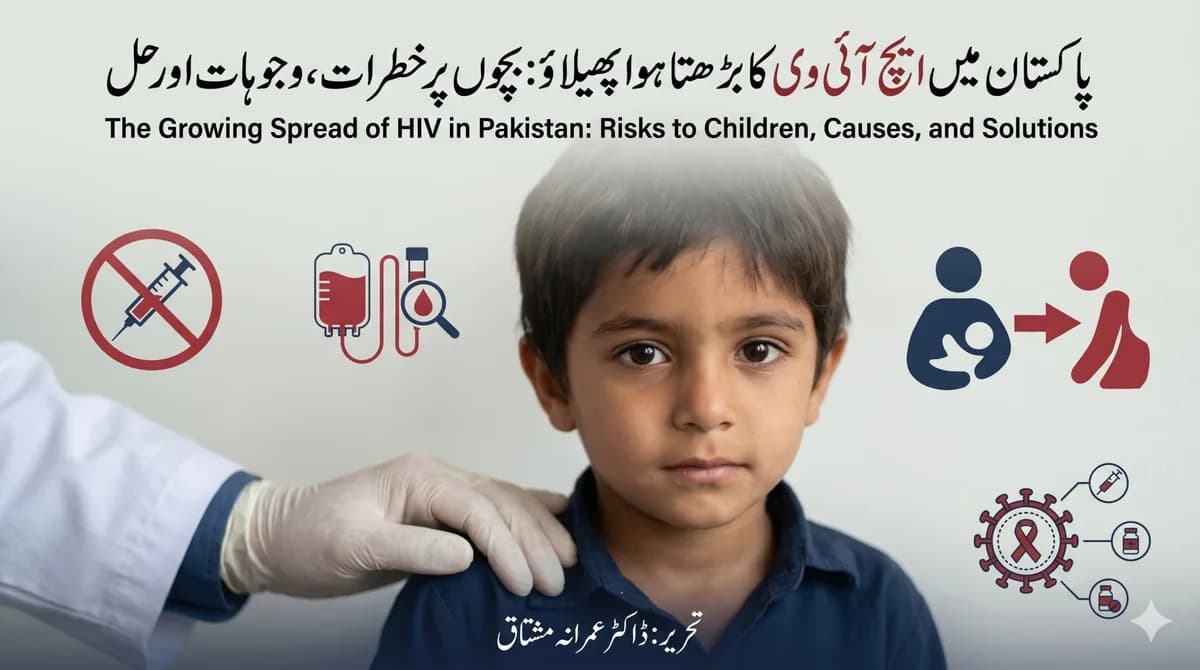
In a developing country like Pakistan, health issues have always been a serious challenge, but in recent years, a new threat has been silently taking root, affecting not only adults but also innocent children. This threat is HIV/AIDS, which, despite being a global issue, is emerging with a new intensity in Pakistan. Specifically, incidents like the one in Ratodero, Sindh, have highlighted this issue on a national level, where not dozens, but hundreds of children were found to be victims of this virus. This situation reflects not only a medical crisis but also a social and moral one.
HIV is essentially a virus that weakens the human immune system, and if not treated in time, it turns into AIDS, which can be fatal. While global awareness about this disease has increased, in Pakistan, ignorance, stigma, and a flawed healthcare system remain major hurdles in stopping its spread.
If we examine the rising cases of HIV among children, the first and most critical cause is unsafe medical practices. In Pakistan, there are still clinics and small hospitals where the same syringe is used repeatedly. This practice is not only illegal but also extremely dangerous. When a syringe used on an infected patient is reused on another child or individual, the virus is easily transmitted. This is why HIV cases have emerged among children in many areas, even though they were not involved in any traditional high-risk activities.
The second major cause is the unsafe blood transfusion system. The blood bank system in Pakistan is still not fully regulated. In many places, blood screening is not properly conducted, resulting in the transfusion of infected blood to children or patients. Children with thalassemia, in particular, who require frequent blood transfusions, are highly vulnerable to this risk.
The third significant cause is the transmission of the virus from a pregnant mother to her child. If a mother is infected with HIV and does not receive timely treatment, the virus can be transmitted to the child during pregnancy, childbirth, or breastfeeding. Unfortunately, the prenatal screening system in Pakistan is weak, and women are often unaware of their illness.
Moreover, the role of untrained midwives and quacks is exacerbating this problem. In rural areas, people still seek treatment from quacks instead of certified doctors, where hygiene and safety protocols are completely ignored. All these factors combine to create a dangerous environment where innocent children fall victim to this deadly disease.
Looking at the social aspect, discrimination against HIV patients is a major barrier. People associate this disease with moral sin, causing infected individuals to hesitate in seeking treatment. Parents hide their children's illness, which not only delays medical intervention but also increases the risk of further spreading the virus.
The question now arises: what is the solution to this problem? First and foremost, we need to create awareness. The media, educational institutions, and religious leaders must work together to convey accurate information about this disease to the public. People need to understand that HIV can spread not only through specific behaviors but also through unsafe medical practices.
The second important step is to strengthen the healthcare system. The government should impose a strict ban on the reuse of syringes and ensure its implementation. All blood banks must be regularly monitored, and blood screening must be made mandatory. Every pregnant woman should undergo an HIV test so that the child can be protected through timely treatment.
Regarding treatment, the encouraging fact is that HIV is no longer an incurable disease. Modern medicines, known as Antiretroviral Therapy (ART), can keep the virus under control, allowing the patient to lead a normal life. If a child receives this treatment in time, they can live a healthy life, receive an education, and become an active member of society.
Furthermore, we need to change social attitudes. HIV patients need compassion and support, not isolation and hatred. Until we treat this disease as a medical issue rather than a moral failing, it will be difficult to stop its spread.
The growing trend of HIV in Pakistan is a warning that we need to review our healthcare system and societal attitudes. The spread of this disease, especially among children, is a tragedy that highlights our collective negligence. If we do not take action now, this problem could become even more severe.
In conclusion, it is not wrong to say that the fight against HIV is not just the responsibility of doctors or the government, but of every individual. We must promote cleanliness, caution, and awareness around us. This is the path through which we can protect our children from this deadly disease and build a healthy society.