Beyond the Arab-Ajam Wall: Interests, Ideologies, and the Last Chance
Geopolitics / Opinion

Beyond the Arab-Ajam Wall: Interests, Ideologies, and the Last Chance

Executive Takeaway

  • Sometimes in global politics, moments arrive when the curtains are drawn back, and reality stands exposed in all its bitterness.
  • In recent years, Middle Eastern politics has taken a similar turn where the hidden layers between relationships, interests, and ideologies are being unveiled.
  • The business ties of the Gulf states, especially the ruling elite of the UAE, their relations with Israel, and their growing partnership with India have sparked a new debate.

Sometimes in global politics, moments arrive when the curtains are drawn back, and reality stands exposed in all its bitterness. In recent years, Middle Eastern politics has taken a similar turn where the hidden layers between relationships, interests, and ideologies are being unveiled. The business ties of the Gulf states, especially the ruling elite of the UAE, their relations with Israel, and their growing partnership with India have sparked a new debate. This debate is not limited to diplomatic relations but has challenged the intellectual, religious, and political framework of the entire Muslim world.

It is no longer a secret that in global politics, there is no concept of permanent enmity or permanent friendship; rather, interests are the true axis. This is why the UAE, while normalizing relations with Israel on one hand, has also expanded its economic and defense ties with India to an extraordinary extent. These relations have created a new balance in the region, but at the same time, raised several questions. Are these relations merely the result of economic interests, or is there a grand strategic mindset behind them?

Here, another important aspect comes to the fore: the long-standing tension between Iran and the Arab world. Iran presents itself as a revolutionary state that wants to present not only its ideologies but also its political model to the world. On the other hand, the Arab world, especially Saudi Arabia, represents a different religious and political structure where the monarchy is viewed as a stable system.

The issue is not which system is better, but the real problem is that each side has been trying to impose its system on the others. Whether it is the export of revolutionary ideologies from Iran or the promotion of Sunni or Wahhabi thought from the Arab world, both have deepened the divide within the Muslim world. This division is not only ideological but has practically destabilized many countries.

Today, as the UAE's relations with Israel and India are coming out into the open, it serves as both an opportunity and a warning. An opportunity for the Muslim world to look inward and see where the real threat lies. Is the threat truly from each other's ideologies, or is it the political and economic weakness that has given foreign powers the opportunity to interfere within us?

For Iran, this is a moment for particular reflection. If Arab countries wish to maintain their political system, namely the monarchy, it is an internal matter for their people. No external power should have the right to interfere in it. Similarly, the Arab world must also understand that attempting to spread a specific sect or religious thought to other countries is not only unnecessary but also harmful.

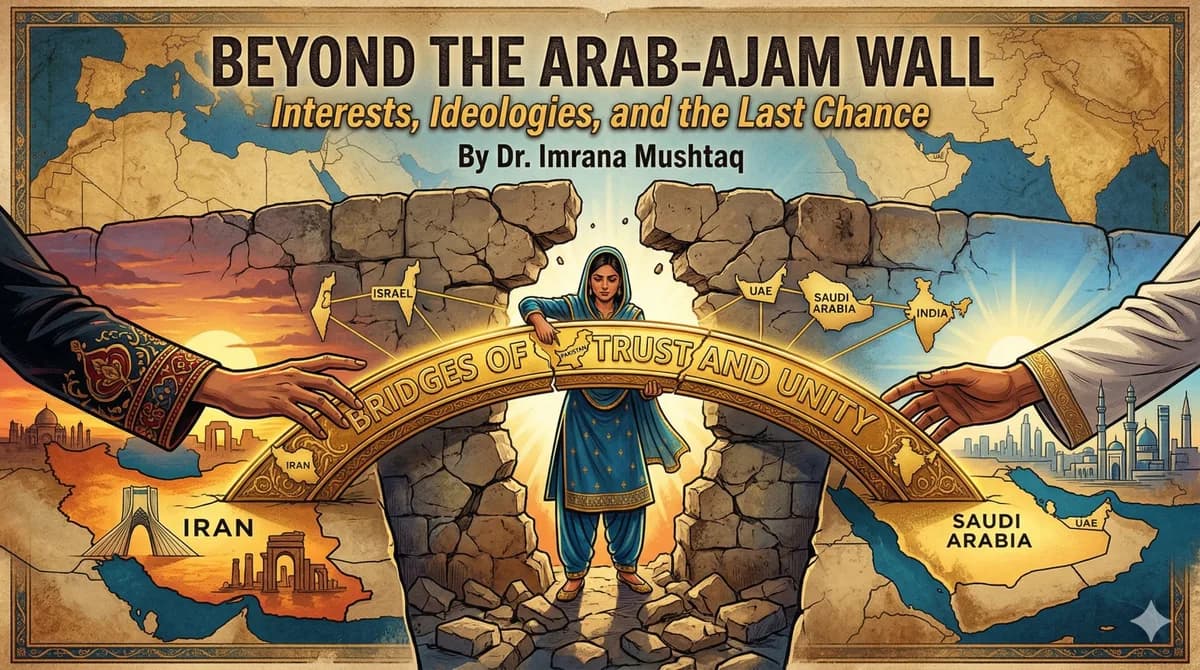
The Arab-Ajam divide, which is centuries old, still dominates our minds today. This division is not merely linguistic or ethnic; it has taken the shape of a mental wall. This wall has distanced us from one another, and global powers are taking advantage of this very distance.

It is also an established fact that most of the problems of the Muslim world are internal. Sectarianism, political instability, economic weakness, and educational backwardness are the factors that have weakened us. Until we find a solution to these problems, external powers will continue to interfere in our affairs.

Pakistan's role in this entire situation is extremely important. Pakistan has adopted a balanced and cautious policy in the recent tensions, which is not only a manifestation of its diplomatic foresight but also a requirement of its internal needs. At a time when the world is clearly dividing into two blocs, Pakistan's neutrality is a wise decision.

This neutrality is not a weakness but a strategy. Pakistan knows very well that standing with one party could mean losing the other, and the entire region might have to suffer the consequences.

Today, there is a need for the Muslim world to redefine its priorities. We must decide whether we will continue to use our resources against each other or utilize them for the betterment of our people.

It is time for Iran and the Arab world to respect each other's political and religious systems. Iran must accept that the monarchy in Arab countries is a reality, and trying to change it is not only unnecessary but also impractical. Similarly, the Arab world must understand that Iran has its own ideological and political structure that cannot be forcibly changed.

If we waste this opportunity, the consequences could be horrific. Our future generations will never forgive us for exacerbating our differences instead of resolving them.

Stepping out of this Arab-Ajam divide is the greatest need of the hour. We need a new mindset, a new vision, and a new strategy that can lead us toward a strong and united Muslim world.

This is the moment when we must decide whether we want to become a part of history or remain crushed beneath its weight. If we still do not set our priorities right, this might be our last chance.

Pakistan's neutrality is a sign that there is still hope. But this hope can only become reality when we all understand our responsibilities and act upon them.

It is time that we tear down the walls of hatred and build bridges of trust. This is the only path that can lead us toward progress, stability, and peace.

جغرافیائی سیاست / رائے

عرب و عجم کی دیوار کے پار: مفادات، نظریات اور آخری موقع

مرکزی نکات

  • دنیا کی سیاست میں بعض اوقات ایسے لمحات آتے ہیں جب پردے ہٹتے ہیں اور حقیقت اپنی پوری تلخی کے ساتھ سامنے آ کھڑی ہوتی ہے۔
  • حالیہ برسوں میں مشرقِ وسطیٰ کی سیاست نے بھی ایک ایسا ہی موڑ لیا ہے جہاں تعلقات، مفادات اور نظریات کے درمیان چھپی ہوئی پرتیں بے نقاب ہو رہی ہیں۔
  • خلیجی ریاستوں، خصوصاً متحدہ عرب امارات کی حکمران اشرافیہ کے کاروباری روابط، اسرائیل کے ساتھ تعلقات اور بھارت کے ساتھ بڑھتی ہوئی شراکت داری نے ایک نئی بحث کو جنم دیا ہے۔

دنیا کی سیاست میں بعض اوقات ایسے لمحات آتے ہیں جب پردے ہٹتے ہیں اور حقیقت اپنی پوری تلخی کے ساتھ سامنے آ کھڑی ہوتی ہے۔ حالیہ برسوں میں مشرقِ وسطیٰ کی سیاست نے بھی ایک ایسا ہی موڑ لیا ہے جہاں تعلقات، مفادات اور نظریات کے درمیان چھپی ہوئی پرتیں بے نقاب ہو رہی ہیں۔ خلیجی ریاستوں، خصوصاً متحدہ عرب امارات کی حکمران اشرافیہ کے کاروباری روابط، اسرائیل کے ساتھ تعلقات اور بھارت کے ساتھ بڑھتی ہوئی شراکت داری نے ایک نئی بحث کو جنم دیا ہے۔ یہ بحث صرف سفارتی تعلقات تک محدود نہیں بلکہ اس نے پورے مسلم دنیا کے فکری، مذہبی اور سیاسی ڈھانچے کو چیلنج کیا ہے۔
یہ حقیقت اب کسی سے پوشیدہ نہیں رہی کہ عالمی سیاست میں مستقل دشمنی یا مستقل دوستی کا کوئی تصور نہیں ہوتا، بلکہ مفادات ہی اصل محور ہوتے ہیں۔ یہی وجہ ہے کہ متحدہ عرب امارات نے جہاں ایک طرف اسرائیل کے ساتھ تعلقات کو معمول پر لایا، وہیں بھارت کے ساتھ اپنے اقتصادی و دفاعی روابط کو بھی غیر معمولی حد تک وسعت دی۔ ان تعلقات نے خطے میں ایک نیا توازن پیدا کیا، مگر اس کے ساتھ ساتھ کئی سوالات بھی کھڑے کیے۔ کیا یہ تعلقات محض اقتصادی مفادات کا نتیجہ ہیں یا ان کے پیچھے ایک بڑی اسٹریٹجک سوچ کارفرما ہے؟
یہاں ایک اور اہم پہلو سامنے آتا ہے، اور وہ ہے ایران اور عرب دنیا کے درمیان دیرینہ کشیدگی۔ ایران خود کو ایک انقلابی ریاست کے طور پر پیش کرتا ہے جو نہ صرف اپنے نظریات بلکہ اپنے سیاسی ماڈل کو بھی دنیا کے سامنے رکھنا چاہتا ہے۔ دوسری طرف عرب دنیا، خصوصاً سعودی عرب، ایک مختلف مذہبی و سیاسی ڈھانچے کی نمائندگی کرتا ہے جہاں بادشاہت کو ایک مستحکم نظام کے طور پر دیکھا جاتا ہے۔
مسئلہ یہ نہیں کہ کون سا نظام بہتر ہے، بلکہ اصل مسئلہ یہ ہے کہ ہر فریق اپنے نظام کو دوسروں پر مسلط کرنے کی کوشش کرتا رہا ہے۔ ایران کی طرف سے انقلابی نظریات کی برآمد ہو یا عرب دنیا کی طرف سے سنی یا وہابی فکر کی ترویج، دونوں نے مسلم دنیا میں تقسیم کو گہرا کیا ہے۔ یہ تقسیم صرف نظریاتی نہیں بلکہ اس نے عملی طور پر کئی ممالک کو عدم استحکام کا شکار کیا ہے۔
آج جب متحدہ عرب امارات کے تعلقات اسرائیل اور بھارت کے ساتھ کھل کر سامنے آ رہے ہیں، تو یہ ایک موقع بھی ہے اور ایک تنبیہ بھی۔ موقع اس لیے کہ مسلم دنیا اپنے اندر جھانک کر دیکھے کہ اصل خطرہ کہاں سے ہے۔ کیا خطرہ واقعی ایک دوسرے کے نظریات سے ہے، یا پھر وہ سیاسی و اقتصادی کمزوری ہے جس نے بیرونی قوتوں کو ہمارے اندر مداخلت کا موقع دیا؟
ایران کے لیے یہ لمحہ خاص طور پر غور و فکر کا ہے۔ اگر عرب ممالک اپنے سیاسی نظام، یعنی بادشاہت، کو برقرار رکھنا چاہتے ہیں تو یہ ان کی عوام کا داخلی معاملہ ہے۔ کسی بیرونی قوت کو اس میں مداخلت کا حق نہیں ہونا چاہیے۔ اسی طرح عرب دنیا کو بھی یہ سمجھنا ہوگا کہ کسی مخصوص مسلک یا مذہبی فکر کو دوسرے ممالک میں پھیلانے کی کوشش نہ صرف غیر ضروری ہے بلکہ نقصان دہ بھی ہے۔
عرب و عجم کی تقسیم، جو صدیوں پرانی ہے، آج بھی ہمارے ذہنوں پر حاوی ہے۔ یہ تقسیم صرف لسانی یا نسلی نہیں بلکہ اس نے ایک ذہنی دیوار کی شکل اختیار کر لی ہے۔ اس دیوار نے ہمیں ایک دوسرے سے دور کر دیا ہے، اور اسی دوری کا فائدہ عالمی طاقتیں اٹھا رہی ہیں۔
یہ حقیقت بھی اپنی جگہ مسلم ہے کہ مسلم دنیا کے اکثر مسائل داخلی ہیں۔ فرقہ واریت، سیاسی عدم استحکام، اقتصادی کمزوری اور تعلیمی پسماندگی وہ عوامل ہیں جنہوں نے ہمیں کمزور کیا ہے۔ جب تک ہم ان مسائل کا حل تلاش نہیں کریں گے، تب تک بیرونی قوتیں ہمارے معاملات میں مداخلت کرتی رہیں گی۔
پاکستان کا کردار اس تمام صورتحال میں نہایت اہم ہے۔ پاکستان نے حالیہ کشیدگی میں ایک متوازن اور محتاط پالیسی اختیار کی ہے، جو نہ صرف اس کی سفارتی بصیرت کا مظہر ہے بلکہ اس کی داخلی ضروریات کا بھی تقاضا ہے۔ ایک ایسے وقت میں جب دنیا دو واضح بلاکس میں تقسیم ہو رہی ہے، پاکستان کا غیر جانبدار رہنا ایک دانشمندانہ فیصلہ ہے۔
یہ غیر جانبداری کمزوری نہیں بلکہ حکمت عملی ہے۔ پاکستان بخوبی جانتا ہے کہ کسی ایک فریق کے ساتھ کھڑے ہونے کا مطلب دوسرے فریق کو کھونا ہو سکتا ہے، اور اس کا خمیازہ پورے خطے کو بھگتنا پڑ سکتا ہے۔
آج ضرورت اس بات کی ہے کہ مسلم دنیا اپنی ترجیحات کا ازسرنو تعین کرے۔ ہمیں یہ فیصلہ کرنا ہوگا کہ کیا ہم اپنے وسائل کو ایک دوسرے کے خلاف استعمال کرتے رہیں گے، یا انہیں اپنے عوام کی بہتری کے لیے بروئے کار لائیں گے۔
یہ وقت ہے کہ ایران اور عرب دنیا ایک دوسرے کے سیاسی اور مذہبی نظام کا احترام کریں۔ ایران کو یہ تسلیم کرنا ہوگا کہ عرب ممالک میں بادشاہت ایک حقیقت ہے، اور اسے بدلنے کی کوشش نہ صرف غیر ضروری ہے بلکہ غیر عملی بھی ہے۔ اسی طرح عرب دنیا کو بھی یہ سمجھنا ہوگا کہ ایران کا اپنا ایک نظریاتی اور سیاسی ڈھانچہ ہے جسے زبردستی تبدیل نہیں کیا جا سکتا۔
اگر ہم نے اس موقع کو ضائع کر دیا تو اس کے نتائج نہایت بھیانک ہو سکتے ہیں۔ ہماری آنے والی نسلیں ہمیں کبھی معاف نہیں کریں گی کہ ہم نے اپنے اختلافات کو ختم کرنے کے بجائے انہیں مزید بڑھایا۔
عرب و عجم کی اس تقسیم سے باہر نکلنا وقت کی سب سے بڑی ضرورت ہے۔ ہمیں ایک نئی سوچ، ایک نئے وژن اور ایک نئی حکمت عملی کی ضرورت ہے جو ہمیں ایک مضبوط اور متحد مسلم دنیا کی طرف لے جا سکے۔
یہی وہ لمحہ ہے جب ہمیں فیصلہ کرنا ہے کہ ہم تاریخ کا حصہ بننا چاہتے ہیں یا اس کے بوجھ تلے دب کر رہ جانا چاہتے ہیں۔ اگر ہم نے اب بھی اپنی ترجیحات درست نہ کیں تو شاید یہ آخری موقع ہو۔
پاکستان کی غیر جانبداری اس بات کا اشارہ ہے کہ ابھی بھی امید باقی ہے۔ مگر یہ امید اسی وقت حقیقت بن سکتی ہے جب ہم سب اپنی ذمہ داریوں کو سمجھیں اور ان پر عمل کریں۔
یہ وقت ہے کہ ہم نفرت کی دیواروں کو گرا کر اعتماد کے پل تعمیر کریں۔ یہی راستہ ہمیں ترقی، استحکام اور امن کی طرف لے جا سکتا ہے۔